RESTORE YOUR HAIR at EUGENIX

Regrow Your Hair. Restore Your Youth. Revive Your Self-esteem! At Eugenix, we have perfected the art of Hair Restoration owing to two decades of research and innovation. Our revolutionary DHT Technique gives you a premium and satisfactory Hair Transplant experience.


banner-image (1)
Scroll Down
Featured On
WhatsApp Image 2025-01-11 at 10.44.03 AM

Direct Hair Transplant & Natural-Looking Results

  • Direct Hair Transplant (DHT) Technique
  • Natural-Looking Results
  • High Density Graft Procedures
  • Minimal Scarring
  • Faster Recovery
  • Minimized Risk of Graft Wastage
  • Superior Graft Survival Rates
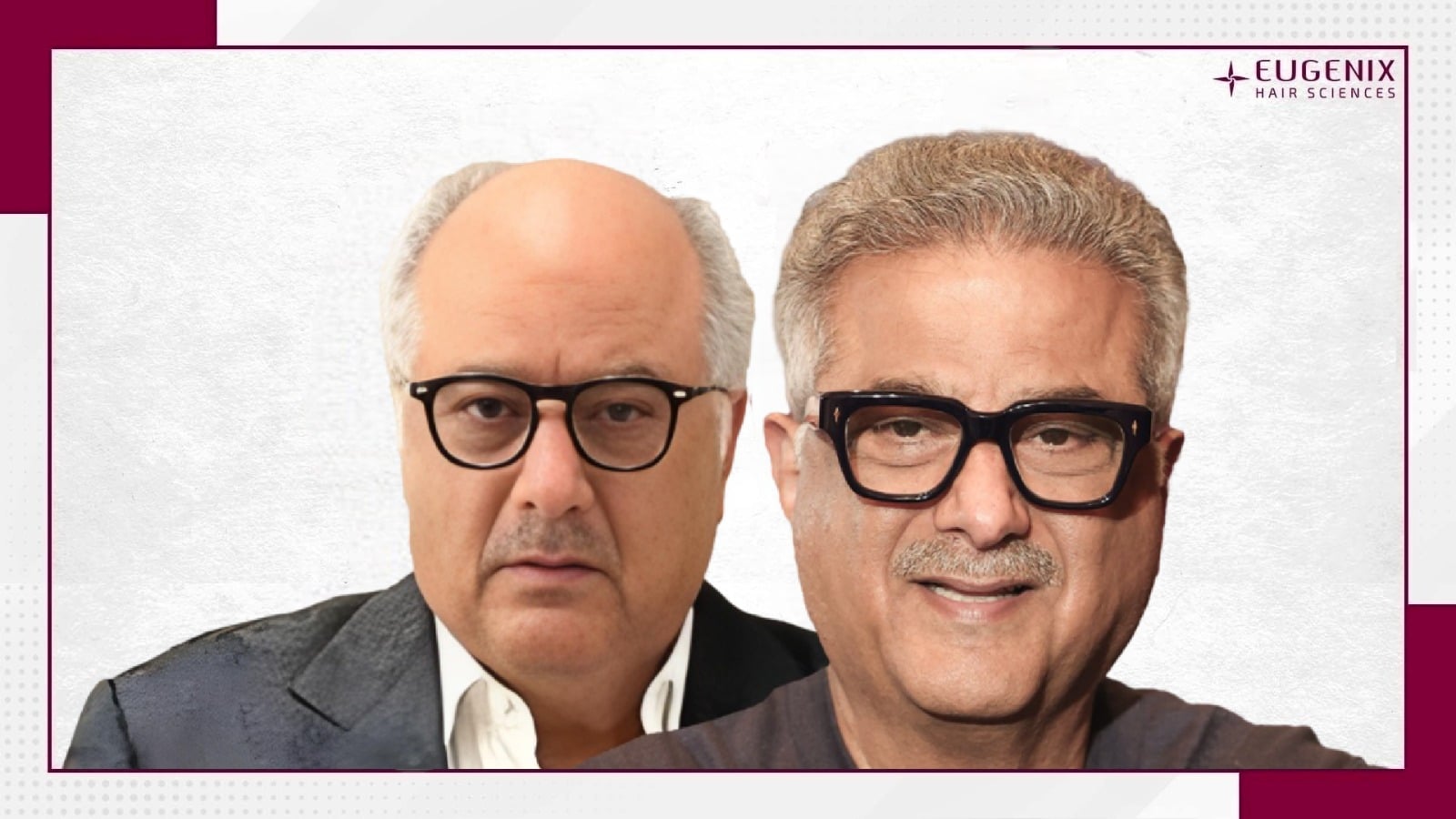
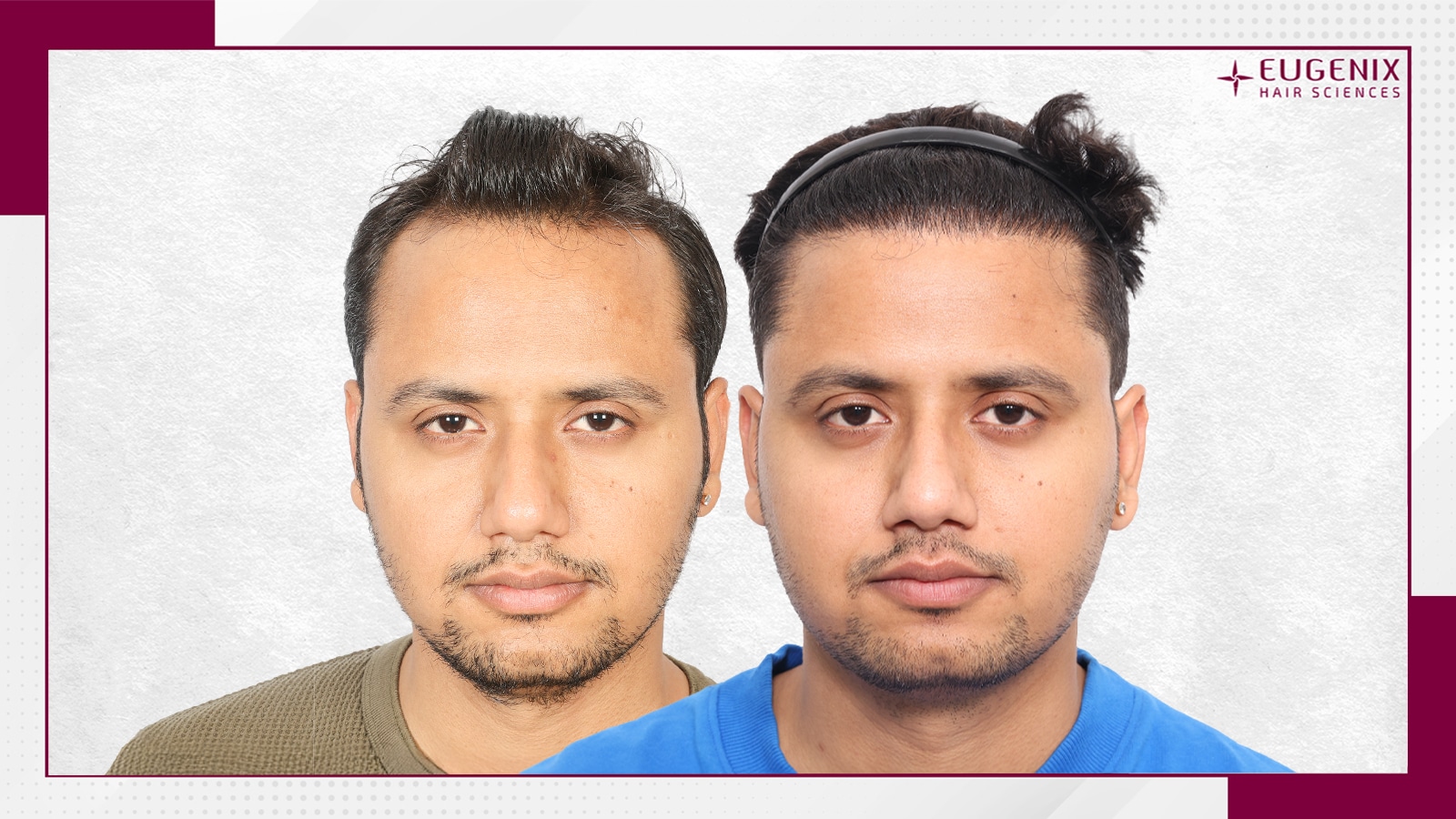
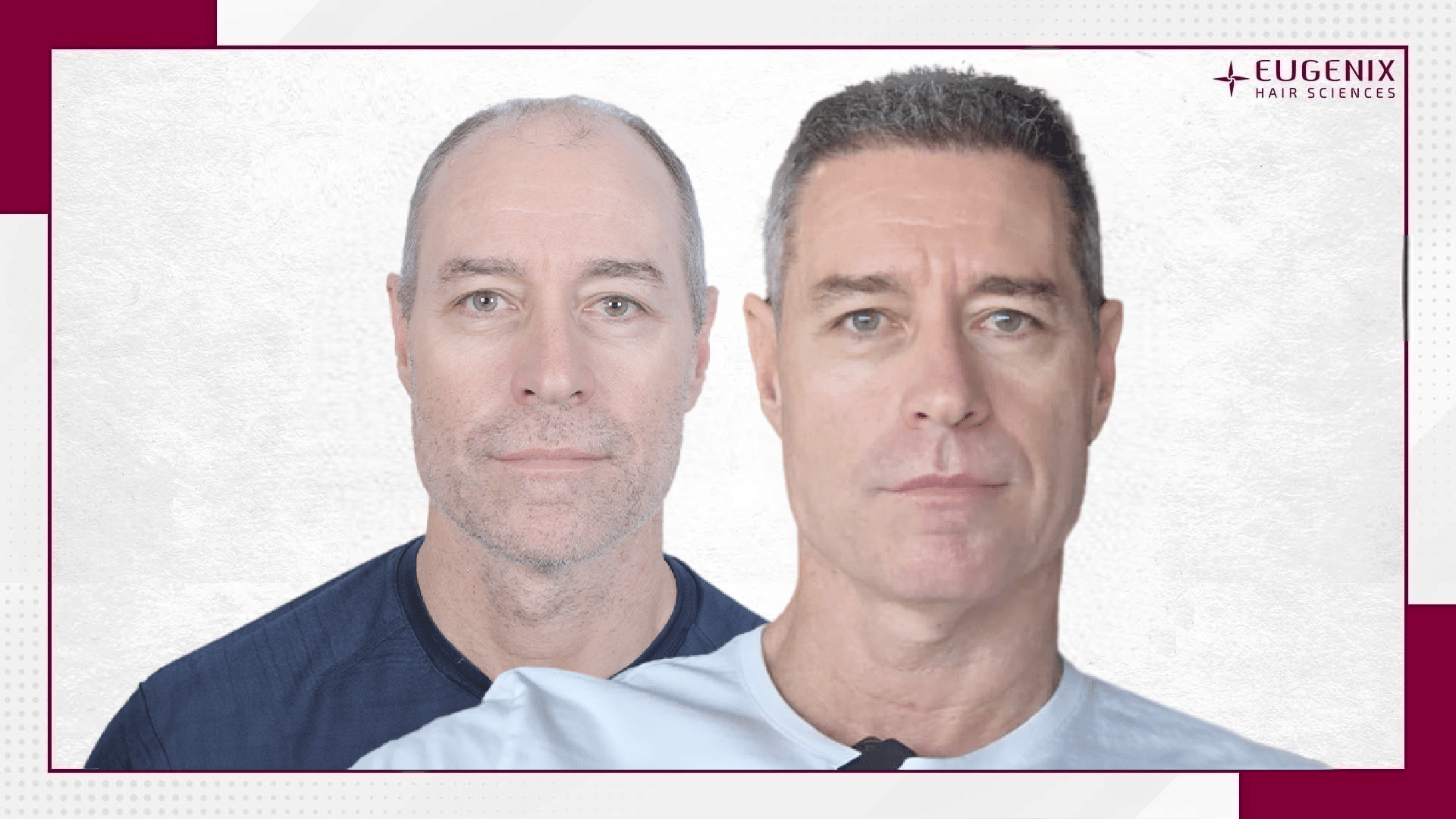
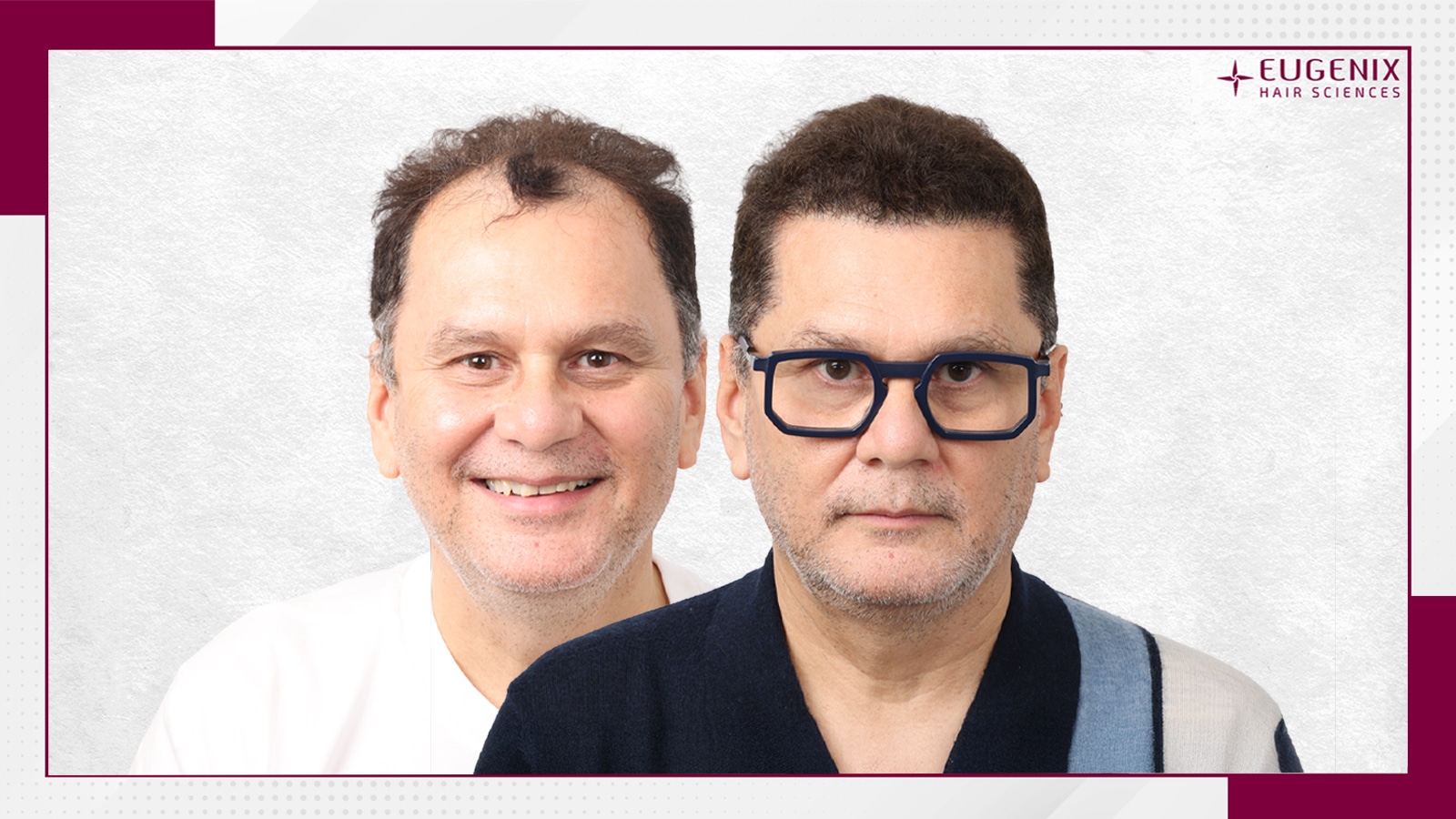
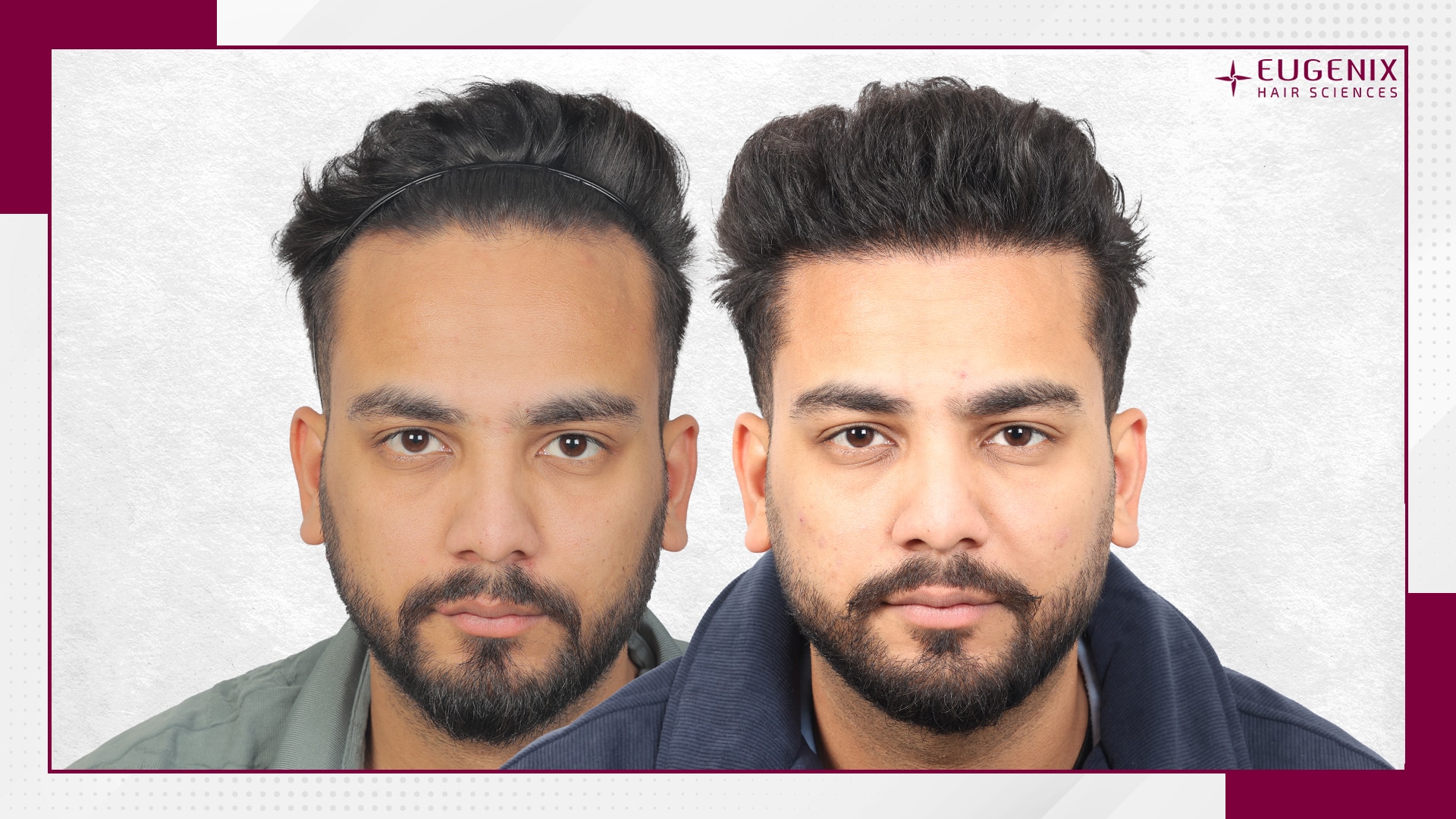
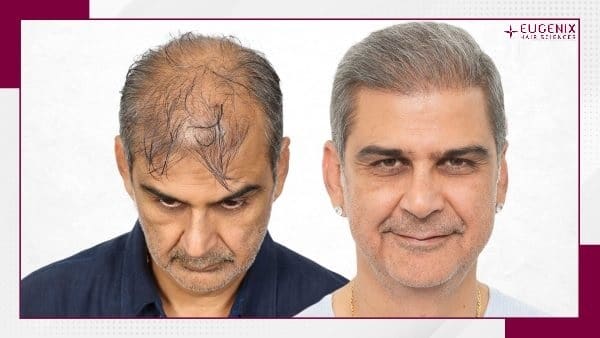
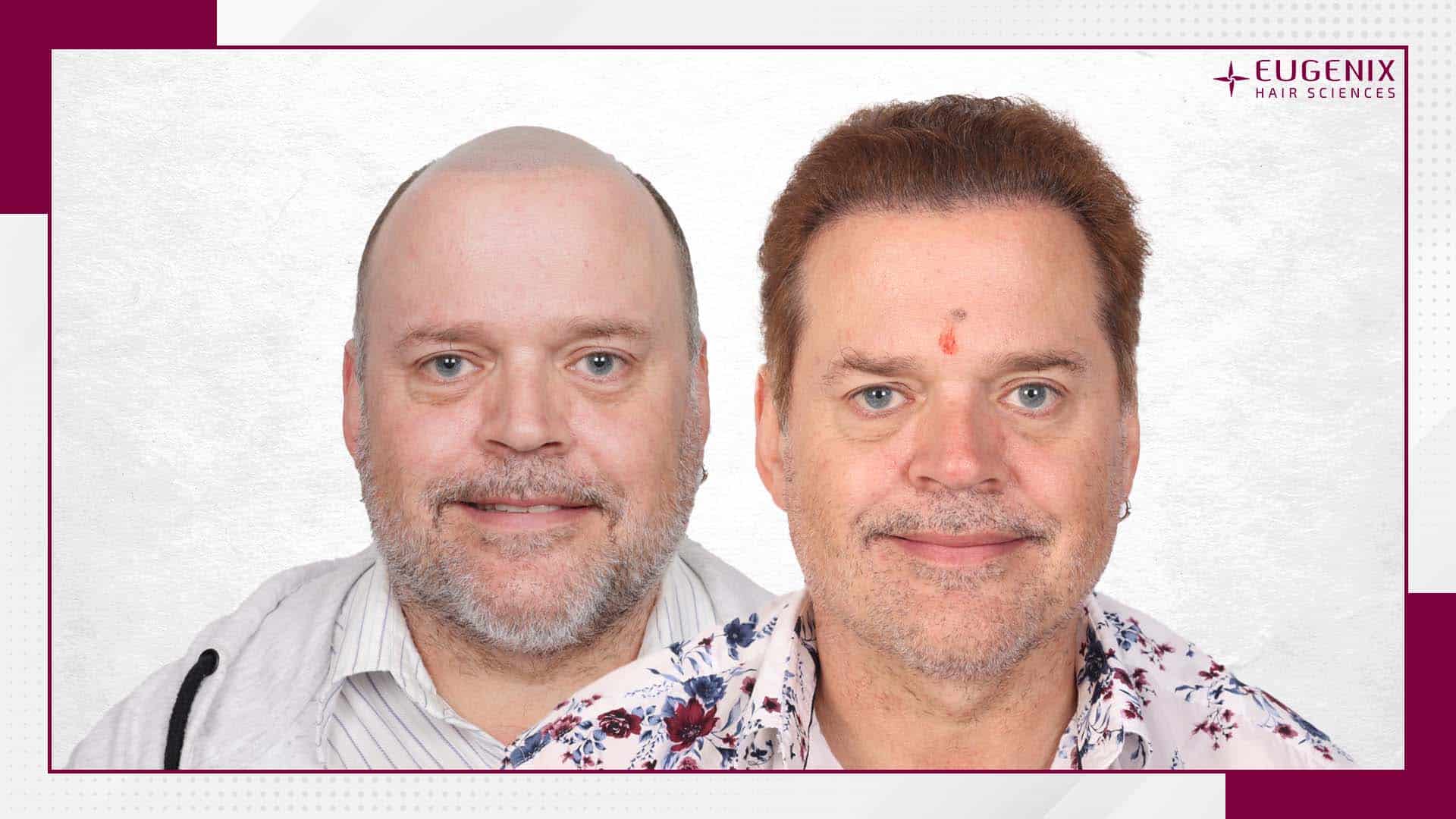
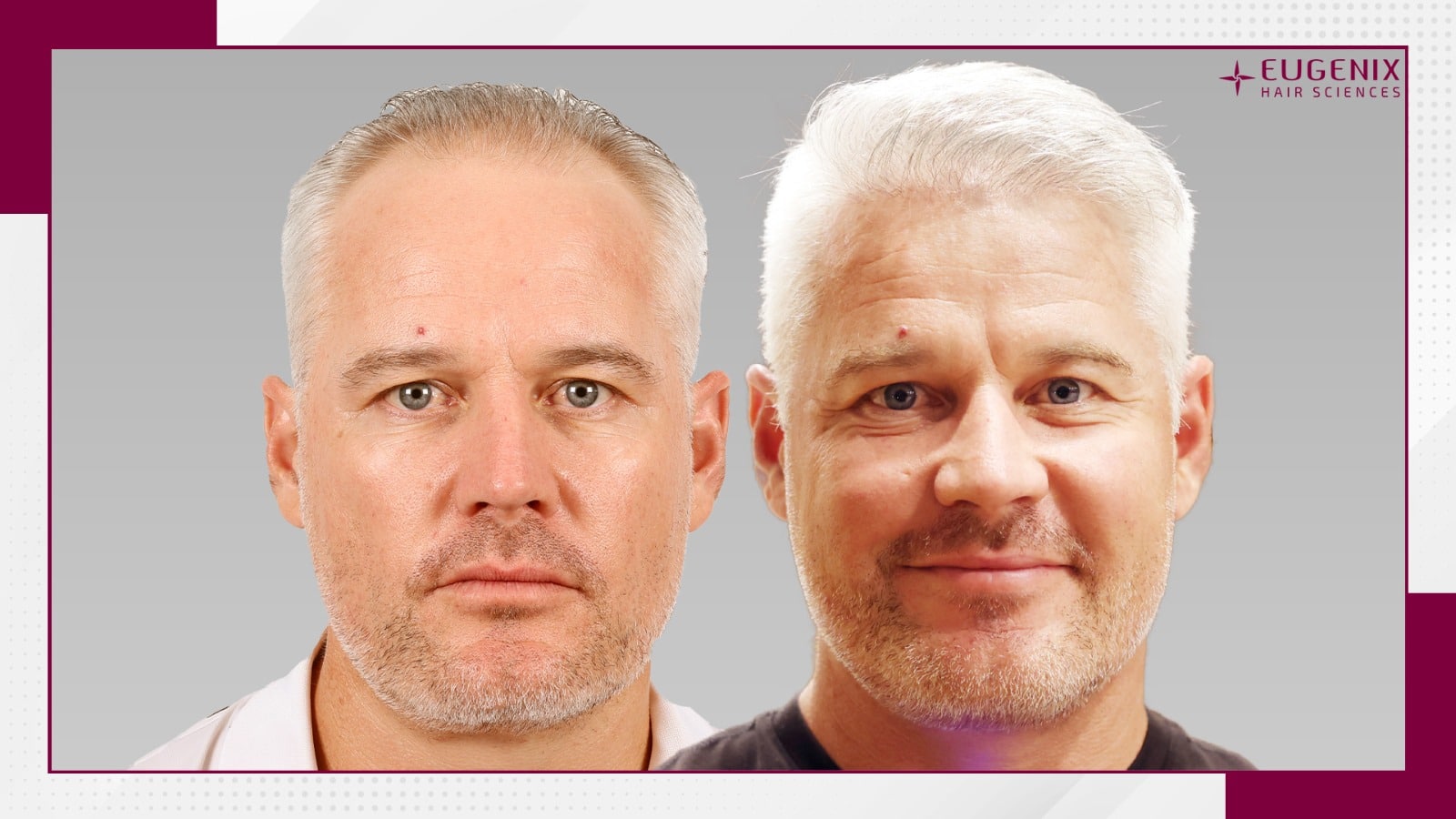
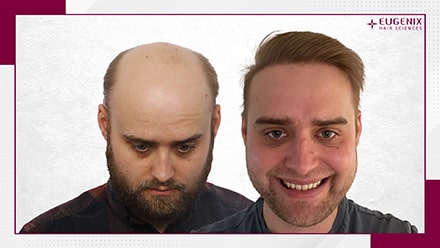
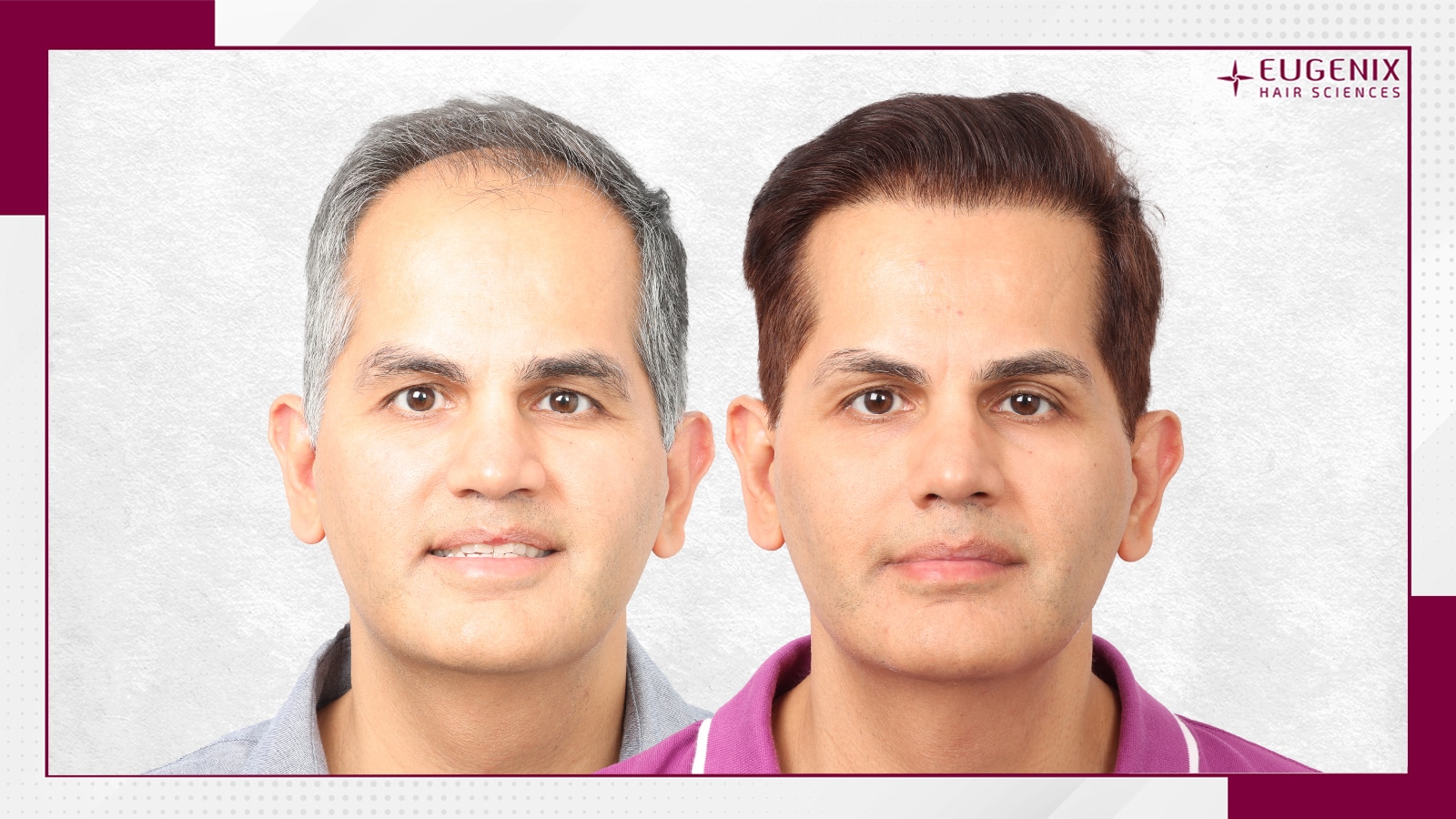
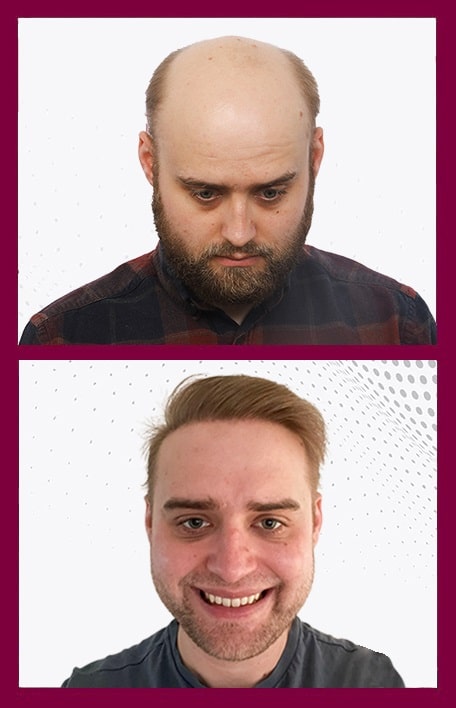
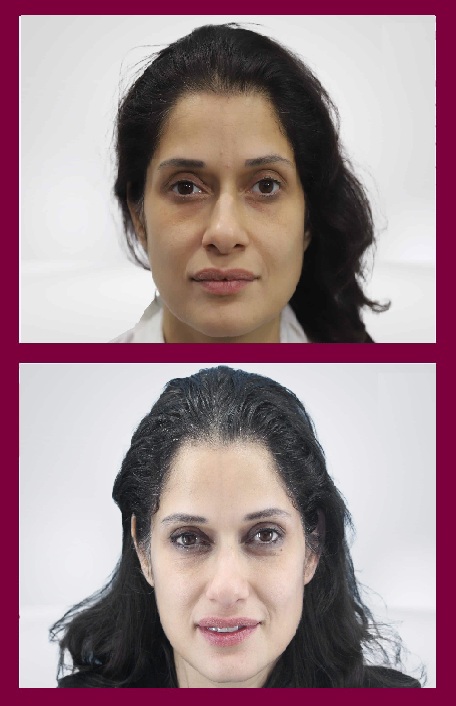
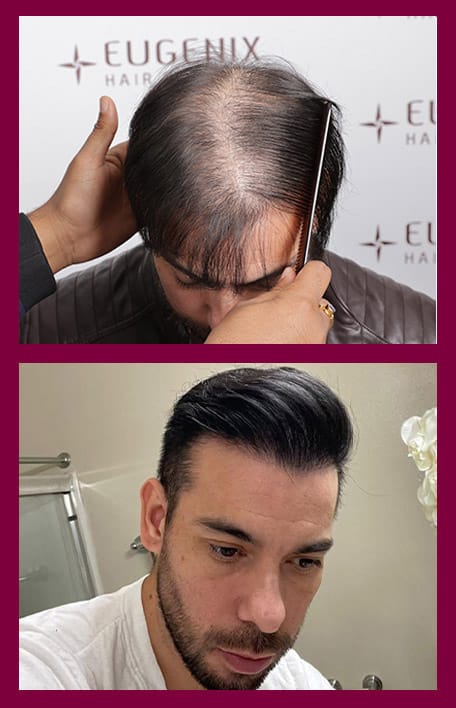
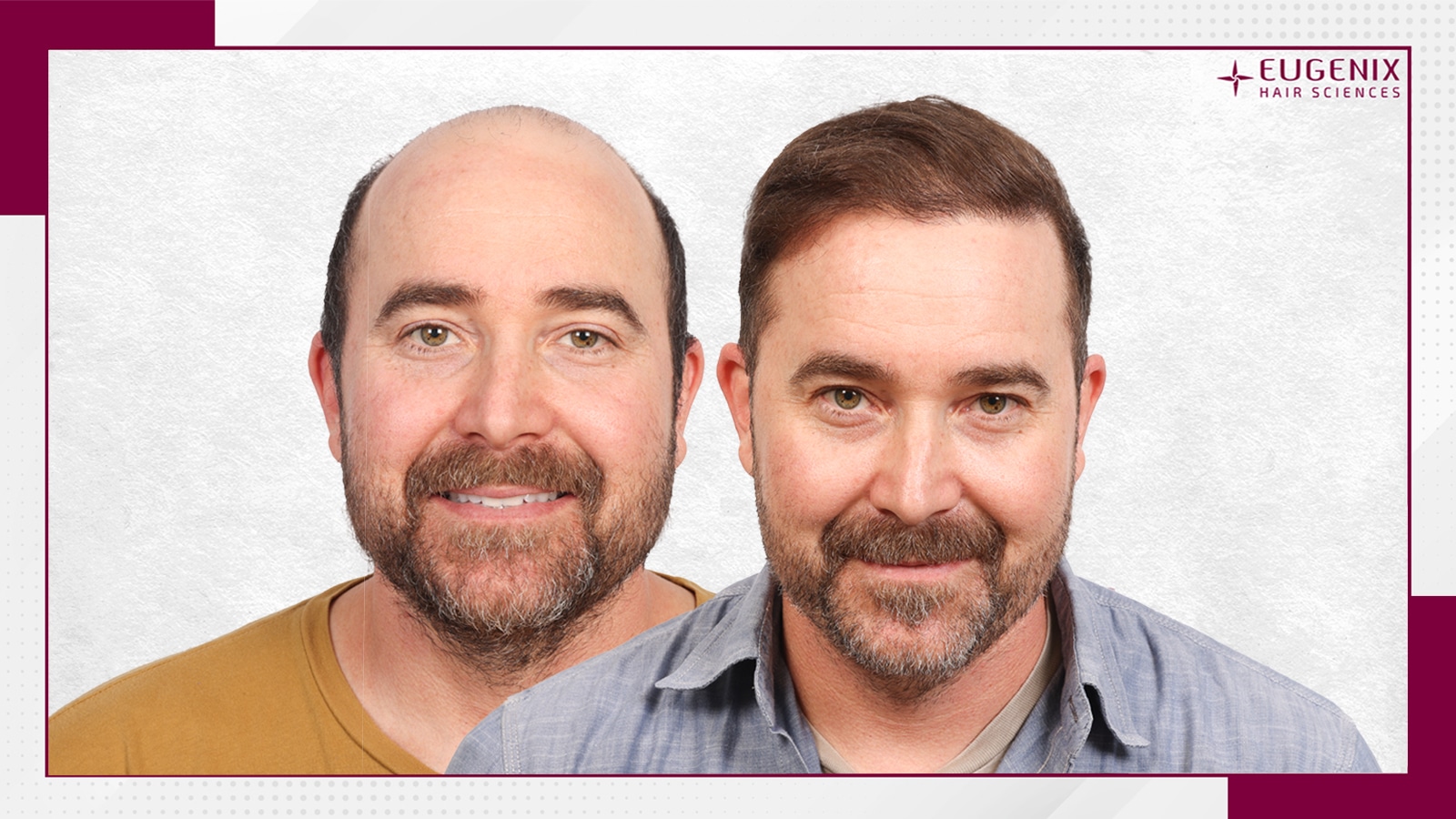
LIFE-CHANGING RESULTS
WhatsApp Image 2025-01-11 at 10.44.03 AM

BeforeAfter

azhar-hair-transplant

BeforeAfter

hair transplant clinic

BeforeAfter

Rakeysh-Omprakash-Mehra-Hair-Transplant-1 (1)

BeforeAfter

Standard Before & After (3)

BeforeAfter

michael-bevan-hair-transplant-results-2

BeforeAfter

anees bazmee hair transplant

BeforeAfter

hair transplant clinic near me

BeforeAfter

Elvish-Yadav-Hair-Transplant-Before-and-After-Results

BeforeAfter

nikhil-chopra-before-and-after

BeforeAfter

Jax-Austin-2

BeforeAfter

Adrian Brown Body Hair Transplant

BeforeAfter

WhatsApp Image 2024-12-09 at 10.05.17 PM

BeforeAfter

after-before-9

BeforeAfter

Girish-Wadhwani-1

BeforeAfter

Hair Transplant Services
Hair Transplant In Male Hair Transplant In Male
Hair Transplant in Female Hair Transplant in Female
Hairline Reconstruction Hairline Reconstruction
Eyebrow Reconstruction Eyebrow Reconstruction
Moustache & Beard Hair Transplant Moustache & Beard Hair Transplant
Corrective Hair Transplant Corrective Hair Transplant

Hair Transplant In Male

After transforming 18,000+ male patients, we have gained paramount experience in the domain. We have pioneered the latest DHT technique to ensure the utmost efficacy in the cases.

Who Are The Ideal Candidates For Male Hair Transplant?

When it comes to hair transplant surgery, there is no fixed age for undergoing it. However, we would like to say that 25 years is considered the right age because hair loss starts to stabilize at this age. But this doesn’t mean people below the age of 25 are not ideal candidates for transplantation. An individual who is 70-100% bald is considered a good candidate for hair transplantation.

Why Avail Hair Transplant Surgery At Eugenix Hair Sciences?

  • First To Introduce Cutting Edge DHT Methodology To The World
  • Implanted More Than 5,04,00,000 Grafts
  • Treated 1,800+ Cases Of Grade 6/7 Baldness
  • Almost 100% Success Rate
  • 20,000+ Patients Have Been Transformed
  • 30+ Years of Combined Experience
John Vertical - Copy

Hair Transplant in Female

By understanding the value of every graft of the donor area, we have transformed over 2,000+ females so far. We have earned the trust of our clients because of the quality of our services and our patient-first approach.

Why Avail Hair Transplant Surgery At Eugenix Hair Sciences?

  • Led By World Renowned Dr Arika Bansal & Dr Pradeep Sethi
  • First To Introduce Cutting Edge DHT Methodology To The World
  • Implanted More Than 5,04,00,000 Grafts
  • Over 20,000+ Patients Have Been Transformed
  • Treated 1,800+ Cases Of Grade 6/7 Baldness
  • 30+ Years of Combined Experience
  • Almost 100% Success Rate
hair-transplant-in-females-service

Hairline Reconstruction

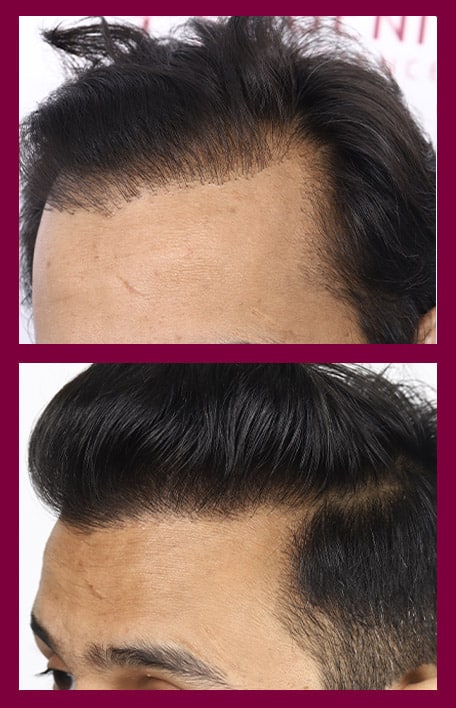
At Eugenix, we call it the hairline zone and we very well understand how vigilantly a hairline zone must be treated. Understanding every possible minute detail, we have provided all our patients, with the utmost natural-looking hairlines.

Who Are The Ideal Candidates For Hairline Reconstruction?

  • Hairline too high
  • Doubles and triples in the Hairline
  • Norwood Scale 2 & 3
  • Adding density in the pre-existing Hairline

Why Avail Hair Transplant Surgery At Eugenix Hair Sciences?

  • Led By World Renowned Dr Arika Bansal & Dr Pradeep Sethi
  • First To Introduce Cutting Edge DHT Methodology To The World
  • Implanted More Than 5,04,00,000 Grafts
  • Over 20,000+ Patients Have Been Transformed
  • Treated 1,800+ Cases Of Grade 6/7 Baldness
  • 30+ Years of Combined Experience
  • Almost 100% Success Rate
hairline-reconstruction-service2-inter

Eyebrow Reconstruction

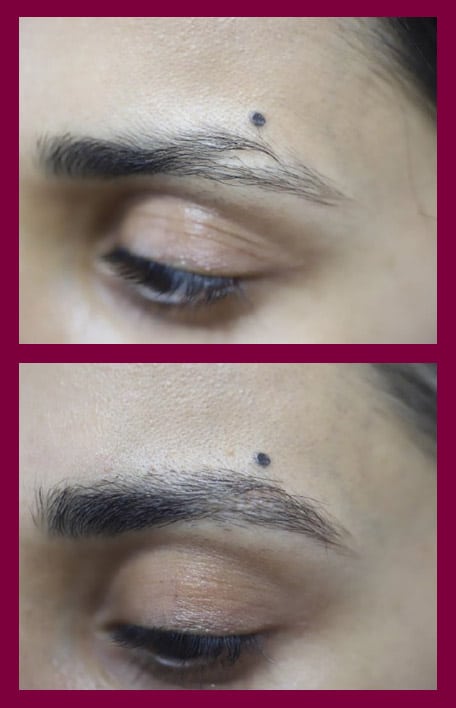
The aesthetics of the face are very well understood by our expert surgeons. Not just beard, but we have provided our male and female patients with eyebrow reconstruction as well and they all were elated to see their transformation.

Who Are The Ideal Candidates For Eyebrow Reconstruction?

  • Thin Eyebrow
  • Aging
  • Over-Plucking of Eyebrows in Women
  • Burns & Trauma
  • Alopecia Areata
  • Post Cancer Treatment

Why Avail Hair Transplant Surgery At Eugenix Hair Sciences?

  • Led By World Renowned Dr Arika Bansal & Dr Pradeep Sethi
  • First To Introduce Cutting Edge DHT Methodology To The World
  • Implanted More Than 5,04,00,000 Grafts
  • Over 20,000+ Patients Have Been Transformed
  • Treated 1,800+ Cases Of Grade 6/7 Baldness
  • 30+ Years of Combined Experience
eyebrow-reconstruction-service

Moustache & Beard Hair Transplant

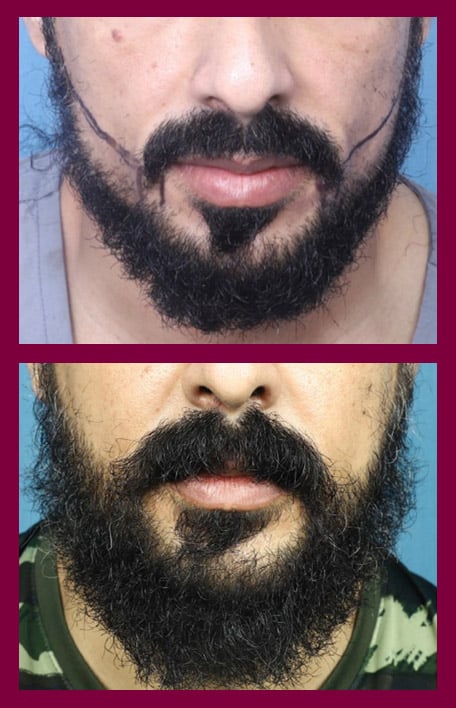
We have gained expertise in body hair transplant over these years. Our male patients confidently sport beards and flaunt dense moustaches through our services.

Who Are The Ideal Candidates For Moustache & Beard Hair Transplant?

The ideal candidates for a beard transplant are those with patchy beard loss rather than those requiring complete reconstruction. We prefer using beard grafts for beard transplants, as scalp hair tends to grow at a faster rate.

Why Avail Hair Transplant Surgery At Eugenix Hair Sciences?

  • Led By World Renowned Dr Arika Bansal & Dr Pradeep Sethi
  • First To Introduce Cutting Edge DHT Methodology To The World
  • Implanted More Than 5,04,00,000 Grafts
  • Over 20,000+ Patients Have Been Transformed
  • Treated 1,800+ Cases Of Grade 6/7 Baldness
  • 30+ Years of Combined Experience
  • Almost 100% Success Rate
beard-hair-transplant-service

Corrective Hair Transplant

Our co-founder Dr Pradeep Sethi personally believes that those who visit us for corrective cases deserve the highest levels of attention and care. Incidentally nearly 40-50 patients come to us every month for corrections. Often in their previous transplants at other clinics, doubles or triples are carelessly implanted in the hairline zone. Their hair transplant become so unnatural that they wish to look bald instead of sporting the unnatural look from a botched job. But, with corrective measures and taking out those grafts, we make sure to minimise the damage to as few grafts as possible. We wish that one never requires corrective surgery, but in case you require one to fix a failed hair transplant, we have the expertise to set it right.

Who Are The Ideal Candidates For Corrective Hair Transplant?

  • Candidates With Unnatural Hairline Position
  • Lack of Density
  • Hairline is Too Low
  • Hair Growth at Wrong Angles & Directions
  • Poor Scarring
  • Donor Farming

Why Avail Hair Transplant Surgery At Corrective Hair Transplant?

  • Led By World Renowned Dr Arika Bansal & Dr Pradeep Sethi
  • First To Introduce Cutting Edge DHT Methodology To The World
  • Implanted More Than 5,04,00,000 Grafts
  • Over 20,000+ Patients Have Been Transformed
  • Treated 1,800+ Cases Of Grade 6/7 Baldness
  • 30+ Years of Combined Experience
  • Almost 100% Success Rate
corrective-hair-transplant-service-inter
Hair Transplant Process
pro-icon-1

Consultation

The first crucial step is a comprehensive consultation with a qualified hair restoration expert. The counselor, with the help of a hair transplant surgeon, will assess your scalp to determine the grade of baldness, the extent of hair loss and the potential donor area.

pro-icon-2

Hairline Design

Based on the evaluation and your desired outcome, the surgeon will create a personalized treatment plan that goes beyond just the number of grafts. This plan incorporates factors like your facial features, existing hair pattern, scalp laxity & desired hairline style.

pro-icon-4

Extraction

Direct Hair Transplant (DHT) utilizes a specialized method that minimizes trauma to the scalp. This ensures healthy grafts with a higher survival rate, ultimately leading to a denser, more natural-looking head of hair.

pro-icon-6

Implanting Grafts

Extracted grafts bypass storage solutions, which can potentially compromise their viability. DHT prioritizes immediate implantation into the recipient area, maximizing the number of healthy follicles that thrive in their new location.

pro-icon-7

After-care

Following the procedure, the scalp may experience some swelling and tenderness, which typically subside within a few days. The Post-surgery care team will provide detailed post-operative instructions to promote healing and optimize graft survival.

Happy Customers
+

Happy Customers

Years of Experience
+

Years of Experience

Grafts Done
M+

Grafts Done

Cases of Grade 6/7 Baldness Treated
+

Cases of Grade 6/7 Baldness Treated

Google Ratings
4.8

Google Ratings

Meet Our Doctors

After pioneering Direct Hair Transplant (DHT) technology and introducing stem cell research, Eugenix has become the leading Hair Restoration clinic in the world.

Dr-Arika

Dr. Arika Bansal

Founder - Eugenix Hair Sciences
MBBS, Gold Medallist, Lady Hardinge Medical College
MD (Dermatology), AIIMS, New Delhi
Fellow, ISHRS

Dr-Pradeep

Dr. Pradeep Sethi

Chairman - Eugenix Hair Sciences
MBBS, MD (Dermatology), AIIMS, New Delhi
Fellow, ISHRS

Latest Videos
Reviews on Google
FAQs

Imagine your scalp is like a garden. A hair transplant is like relocating healthy plants from a dense part of your garden to a patch where the soil is bare.

Here’s how it works:

  1. Sourcing the Hair: Doctors take tiny grafts of hair from an area where you have plenty, usually the back or sides of your head. This is called the “donor area.”
  2. Planting the Hair: They then carefully place these grafts into the thinning or bald areas, like your hairline or crown.
  3. Natural Growth: Once moved, these hairs will continue to grow naturally in their new spot for the rest of your life.   

Essentially, it’s a permanent solution that uses your own hair to restore a fuller, natural-looking hairline. The best part is that the area where the hair was taken from has so much to spare, you won’t even notice it’s gone.

The best technique is one that gives you the most natural-looking results with the highest hair survival rate, minimal scarring, and a comfortable experience.

At Eugenix, we specialize in the Direct Hair Transplant (DHT) technique, an advanced form of Follicular Unit Extraction (FUE). We consider DHT to be the gold standard for several key reasons:  

  • Maximum Graft Survival: DHT minimizes the time that hair follicles spend outside the body. This swift implantation is crucial for ensuring that the maximum number of transplanted hairs survive and grow.  
  • No Scars, Stitches, or Pain: Because we extract and implant individual hair follicles without a scalpel, the procedure is minimally invasive. This means a faster, more comfortable recovery with virtually no visible scarring.  
  • Completely Natural Results: Our skilled surgeons have precise control over the angle, depth, and direction of each implanted hair. This artistry ensures your new hair grows in a natural pattern, seamlessly blending with your existing hair.  

While other techniques like FUT (the “strip method”) exist, DHT avoids the linear scar and longer downtime associated with them. For these reasons, we believe DHT offers our patients the most advanced and effective path to restoring their hair and confidence.

Hair transplant recovery is a journey with different milestones. While the initial healing is quick, seeing the final results takes patience. Here’s a simple timeline of what you can expect:

The First Two Weeks: The Healing Phase

This is the most critical period for your new grafts.

  • Days 1-5: You may experience some mild swelling, redness, and tenderness in both the donor and transplanted areas. This is normal and will subside within a few days. We provide you with all the necessary post-operative care instructions to manage this.
  • Days 5-10: Small scabs will form around the transplanted hairs and then begin to fall off. It’s important not to pick at them. By day 10, your scalp will look much clearer. Most patients feel comfortable returning to work and light daily activities within 7 to 10 days.

2 to 4 Weeks Post-Transplant: The “Shedding” Phase

Don’t be alarmed if the newly transplanted hairs start to fall out. This is a normal and expected part of the process called “shock loss.” It means the implanted follicles are healthy and are making way for new hair to grow.

3 to 4 Months: The First Signs of New Growth

New hairs will begin to sprout. Initially, they may be fine and thin, but they will gradually get thicker and stronger over time.

6 to 9 Months: A Noticeable Difference

You’ll start to see significant growth and more density. The transplanted hair will be longer, and you’ll be able to style it.

12 to 18 Months: The Final Result

By this time, your hair transplant journey is complete. You will see the full, final results with your new hair grown to its maximum thickness and density, giving you a natural and permanent new look.

At Eugenix, our dedicated care team is with you at every step of your recovery to ensure a smooth, comfortable experience and the best possible outcome.

Yes, a hair transplant is a very safe procedure when performed by a qualified and experienced surgeon in a sterile medical facility. It is a minimally invasive outpatient procedure, meaning you can go home the same day.

Like any surgical procedure, there are minor risks, but serious complications are extremely rare. The most common side effects are temporary and mild, including:

  • Swelling: Some mild swelling on the forehead or around the eyes is normal and typically subsides within a few days.
  • Minor Discomfort: You may experience some tenderness in the treated areas, which can be easily managed with prescribed pain medication.
  • Scabbing: Small scabs will form around the transplanted grafts, but these will naturally fall off within a week to ten days.

At Eugenix, patient safety is our top priority. Our team of highly skilled doctors and technicians adheres to the strictest hygiene and safety protocols to ensure a safe, comfortable, and successful hair transplant experience. We also provide detailed post-operative care instructions to minimize any risks and support a smooth recovery.
This is a very common and understandable concern. Our highest priority is your comfort, and we ensure the entire process is as pain-free as possible.

Here’s what you can expect:

  • The Anesthesia: The only discomfort you are likely to feel is the series of small injections for local anesthesia at the very beginning. Most patients compare this to a temporary, mild stinging sensation that lasts only for a few moments.
  • During the Procedure: Once the anesthesia takes effect, your scalp will be completely numb. You will not feel any pain during the hair transplant itself. You’ll be comfortable enough to relax, listen to music, or even take a nap while our team works.
  • After the Procedure: As the anesthesia wears off, it’s normal to feel some mild soreness or tenderness for a couple of days. This is a natural part of the healing process and is easily managed with the simple pain relief medication we provide.

So, while you may experience some minor and temporary discomfort, the procedure itself is not painful. We are with you at every step to manage your comfort and ensure you have a smooth, positive experience.

Following care instructions carefully is essential for a successful and smooth hair transplant journey. While our team will provide you with a detailed, personalized guide, here are some of the most important general guidelines:

Pre-Transplant Instructions (The Week Before)

Preparing properly helps ensure your body is ready for the procedure.

  • Avoid Blood Thinners: Stop taking medications like aspirin, as well as certain vitamins (like Vitamin E) and supplements, for about a week before your procedure, as they can increase bleeding. Always consult with your doctor before stopping any prescribed medication.
  • No Alcohol or Smoking: Refrain from alcohol and smoking for at least one week prior to your transplant, as they can interfere with blood circulation and the healing process.
  • Arrange for Comfort: On the day of the procedure, wear a comfortable button-down or zip-up shirt that you won’t have to pull over your head.
  • Have a Good Breakfast: Eat a light, healthy breakfast on the morning of your surgery.

Post-Transplant Instructions (The Weeks After)

Proper aftercare is crucial for protecting your new hair grafts and ensuring they grow successfully.

  • Sleep Carefully: For the first 7-10 nights, sleep with your head elevated on a couple of pillows. This helps minimize swelling and protects the transplanted area.
  • Follow the Washing Routine: We will provide you with a special lotion and shampoo and guide you through the first wash at our clinic. You will need to follow this gentle washing routine at home to keep the scalp clean and help the scabs fall off naturally.
  • Stay Hydrated: Drink plenty of water to aid the healing process.
  • Avoid Strenuous Activity: Do not engage in heavy exercise, gym workouts, or swimming for at least two weeks to prevent sweating and protect the grafts from being dislodged.
  • Protect Your Scalp: Avoid direct sun exposure on your scalp for the first few weeks. If you need to go outside, a loose-fitting hat is recommended.
  • Don’t Scratch or Pick: You may experience some itching as the scalp heals. It is vital that you do not scratch the transplanted area or pick at the scabs, as this can damage the new follicles.

Our team at Eugenix is committed to your care long after you leave the clinic. We are always available to answer your questions and will guide you through every step of your recovery.

In the context of hair loss and restoration, “DHT” has two key meanings: one is the cause of hair loss, and the other is a leading solution. Both the terms relate to hair restoration in very different ways:

1. DHT: The Hormone That Causes Hair Loss

DHT stands for Dihydrotestosterone. It is a natural and powerful hormone derived from testosterone.

  • How it works: In individuals who are genetically predisposed to hair loss, the hair follicles on the scalp are sensitive to DHT.
  • What it does: DHT binds to these follicles, causing them to shrink over time. This process, called ‘miniaturization,’ makes the hair strands progressively thinner, shorter, and weaker, until the follicles eventually stop producing hair altogether.

This DHT-induced hair loss is the primary cause of androgenetic alopecia, commonly known as male and female pattern baldness.

2. DHT: The Advanced Hair Transplant Technique

DHT also stands for Direct Hair Transplant. This is a highly advanced and refined method of FUE (Follicular Unit Extraction) that delivers superior, natural-looking results.

  • How it works: In a DHT procedure, hair follicles are extracted from the donor area one by one and then immediately implanted into the balding or thinning areas using a specialized tool.
  • What makes it different: The key advantage of the DHT technique is minimizing the time the hair grafts spend outside the body. This immediate implantation significantly increases the survival rate of the transplanted follicles.
  • The result: This meticulous approach, pioneered by our founding surgeons at Eugenix, ensures maximum density, precise control over the angle and direction of hair growth, and a quicker recovery with no linear scarring.

In short, while the hormone DHT is the problem for many experiencing hair loss, the Direct Hair Transplant (DHT)technique is the state-of-the-art solution.

A corrective hair transplant, also known as a repair or revision transplant, is a highly specialized procedure designed to fix or significantly improve the results of a previous hair transplant that a patient is unhappy with.

Experiencing a disappointing outcome from a procedure that was meant to restore your confidence can be disheartening. A corrective transplant is a second chance to achieve the natural, dense look you originally hoped for.

Who needs a corrective hair transplant?

Patients typically seek a corrective procedure to address issues that result from outdated techniques or an inexperienced surgeon. Common reasons include:

  • An Unnatural or “Pluggy” Hairline: The hairline may be too harsh, too straight, or look like “doll’s hair” due to the use of large, improperly placed grafts.
  • Poor Density and Patchy Growth: The final result may look thin and sparse if not enough grafts were transplanted or if a large percentage of the transplanted follicles failed to grow.
  • Incorrect Hair Direction: Hairs growing at the wrong angle or in an unnatural direction can create a chaotic and unsightly appearance.
  • Visible Scarring: Older “strip” methods (FUT) can leave a prominent linear scar in the donor area, and even a poorly performed FUE procedure can cause noticeable pitting or scarring.

How does a corrective hair transplant work?

Corrective surgery requires a high level of skill and artistry, as it is often more complex than the original procedure. The surgeon will first carefully assess the previous work and the condition of your donor hair. A personalized plan is then created, which may involve:

  • Redesigning the Hairline: Creating a softer, more natural, and age-appropriate hairline using fine, single-hair grafts.
  • Adding Density: Carefully placing new grafts between the previously transplanted hairs to create a fuller and more uniform look.
  • Graft Excision and Re-implantation: In some cases, poorly placed “plug” grafts are carefully removed, dissected into smaller follicular units, and then re-implanted in the correct location, angle, and direction.
  • Scar Camouflage: Using the FUE technique to strategically place new hair follicles directly into scar tissue, effectively concealing it and making it blend with the surrounding hair.

Yes, absolutely. A hair transplant is a highly effective and increasingly popular solution for women experiencing certain types of hair loss. Performed by a skilled surgeon, it can restore hair density, create a more youthful hairline, and significantly boost confidence.

While the procedure is common for men, it’s a fantastic option for many women as well. However, female hair loss patterns can be different from men’s, so a thorough consultation is crucial to determine if you are a good candidate.

Who is a good candidate?

Hair transplants for women yield the best results in specific situations. You may be an ideal candidate if you have:

  • Female Pattern Hair Loss: This common type of genetic hair loss in women often causes thinning on the top of the scalp and a widening part, while the donor area at the back of the head remains dense and healthy.
  • A High Hairline: Some women are genetically predisposed to a naturally high hairline and wish to lower it for better facial framing.
  • Hair Loss from Traction Alopecia: This is hair loss caused by prolonged tension on the hair follicles from tight hairstyles like braids or ponytails, and a transplant can restore hair to the affected areas.
  • Hair Loss Due to Scars: A hair transplant can effectively conceal scars from injuries, burns, or previous surgeries.

How do we determine this? Speak to a counsellor today!

How is a hair transplant for women different?

The fundamental technique is the same as for men, involving the transfer of healthy, permanent hair follicles from a donor area (usually the back of the head) to the thinning or balding areas. However, there are key considerations for female patients:

  • Aesthetic Focus: The goal is often to increase density behind the hairline and narrow the part, requiring an artistic eye to create a soft and natural look.
  • No-Shave and Partial-Shave Options: We understand the concern about shaving the head. In many cases, we can perform the procedure by only shaving a small, easily concealable area of the donor site, or in some instances, without any shaving at all.
  • Thorough Diagnosis: It’s vital to first rule out any underlying medical conditions or hormonal imbalances that could be causing the hair loss.

Let’s get straight to the point, shall we? At Eugenix, our graft survival rate is consistently over 95%.

And in the world of hair transplantation, that’s practically the gold standard.

“Okay, but what does ‘graft survival rate’ actually mean?”

Great question. It means that for every 100 hair follicles we carefully relocate from your donor area to their new home, more than 95 of them will successfully take root, grow, and stick around for life. We treat every single hair graft like a VIP on a first-class journey, and our job is to make sure they arrive safely and thrive.

So, how do we pull off such a high success rate?

It’s not magic, but it’s close. It’s a combination of skill, technology, and being just a little bit obsessed with perfection.

  1. It’s All About the Artist (Our Surgeons): Our surgeons are, to put it mildly, superstars in the hair restoration world. They have the skill and experience to handle each graft with the gentle precision it needs. This isn’t just a medical procedure for them; it’s a craft.
  2. Our DHT Technique is the Game-Changer: Our Direct Hair Transplant (DHT) method is our secret sauce. It minimizes the time the hair follicles spend “out in the cold” before being implanted. The less time they spend outside the body, the happier and more likely they are to survive. No loitering allowed!
  3. We Plan for the Future: We don’t just fill in gaps; we design a hairline that will look natural not just next year, but in 10, 20, and 30 years. We consider your future hair loss patterns to make sure you look great for a lifetime.

So, while our success rate is a statistic we’re incredibly proud of, the real success is seeing the permanent, natural, and confidence-boosting results on thousands of happy heads.

Contact Us

Mumbai:
898, Notan Plaza, 2nd & 3rd Floor, Turner Road, Bandra West, Mumbai, Maharashtra, India.

Gurugram:
934 & 935P, Opp. Amity International School, Sector 51, Gurugram, Haryana, India.

Hyderabad:
2nd Floor, Mahathi Towers, Novotel Hotel Road, Hyderabad, Telangana, India.

Bhubaneswar:
Plot 39-A, VIP Colony, IRC Village, Nayapalli, Bhubaneswar, Odisha, India

Email:
info@eugenix.in

Working Hours:
Mon-Sun: 9:00 AM TO 9:00 PM

Happy doctor shaking hand of her healthy patient

Get Free Consultation

Get Free Consultation